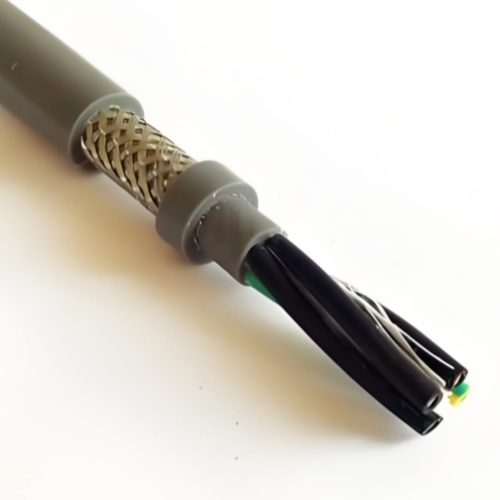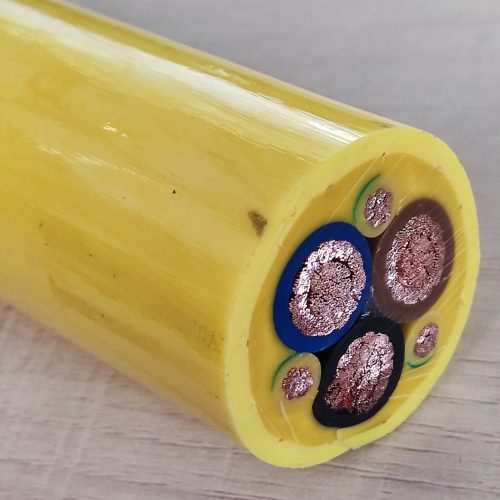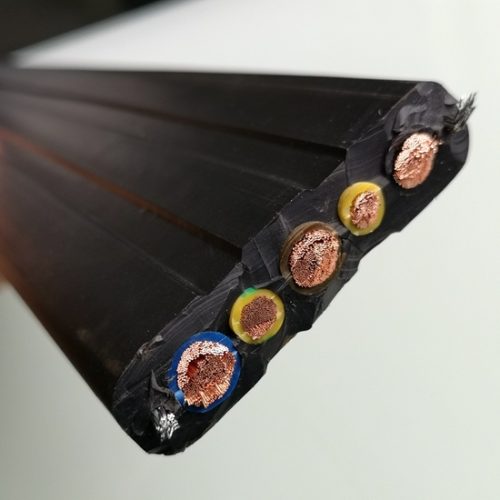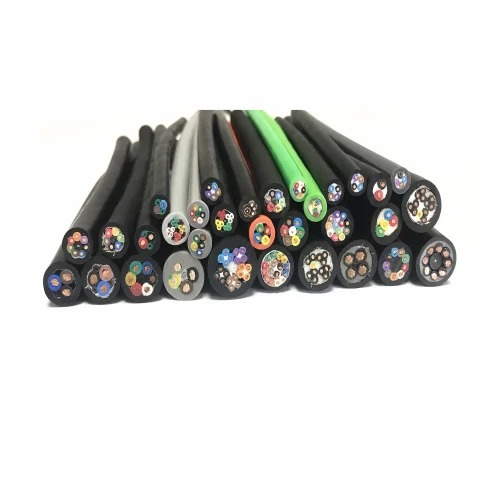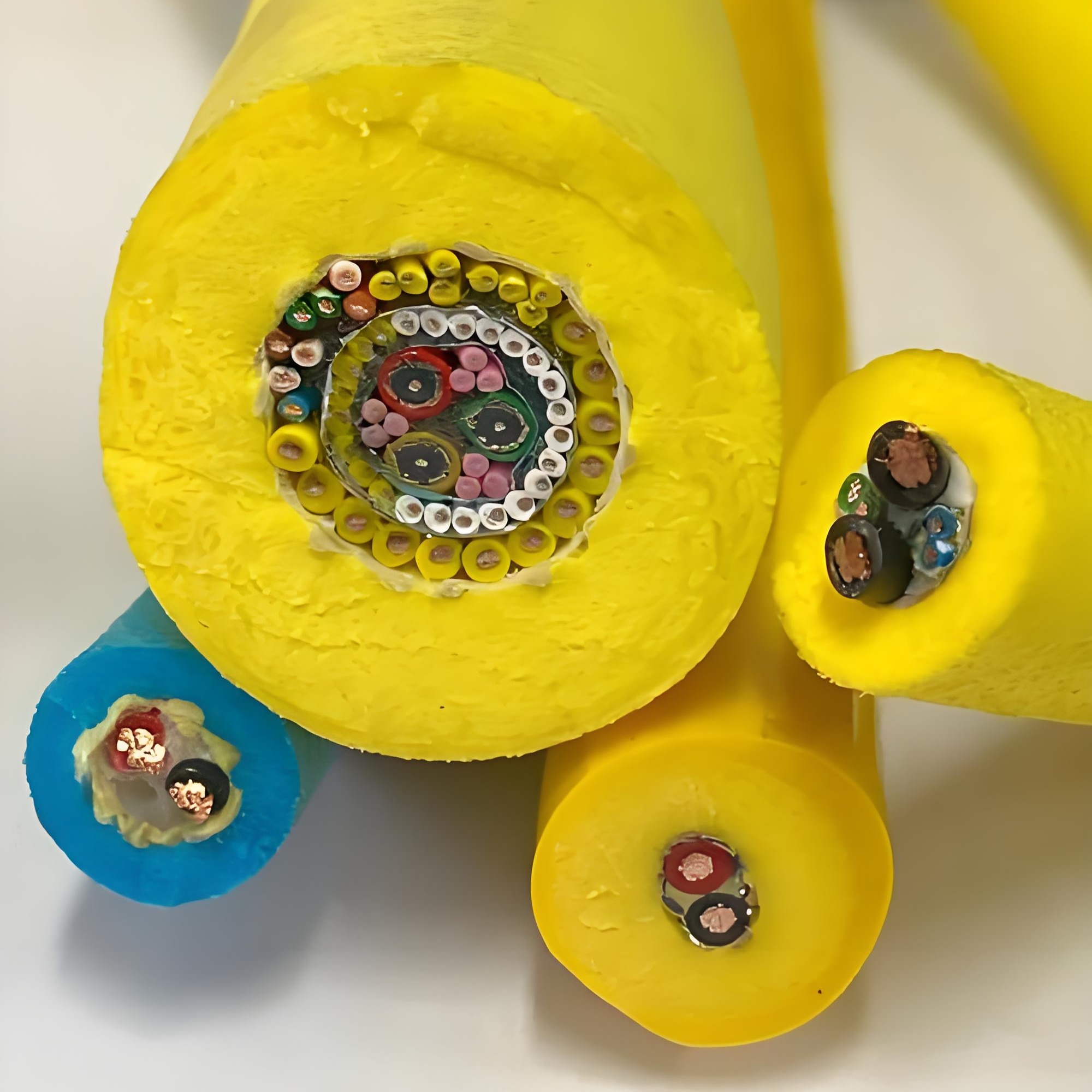
Zero Buoyancy Cable (Neutral Buoyancy Subsea Cable)
Our zero buoyancy cables – also referred to as neutral buoyancy cables – are purpose‑engineered for underwater power, signal transmission and control where the cable’s own weight must not interfere with equipment operation. By eliminating excessive sink, the cable floats neutrally in the water column and moves freely with the subsea device during descent, ascent and dynamic manoeuvres. The result is reduced strain on winches, thrusters, and manipulators, plus longer service life for your subsea asset.
Typical end‑uses include ROV (remotely operated vehicle) tethers, AUV umbilicals, underwater cameras, subsea inspection and survey tools, diving communication systems, oceanographic sensors, and marine construction equipment. The cable construction features an engineered buoyancy layer combined with specially selected insulation and jacket compounds, making it highly resistant to mineral oils, hydraulic fluids, seawater, hydrolysis, acids, alkalis, UV exposure, fish bite and mechanical abrasion.
Key Performance Characteristics
- Neutral buoyancy design – the cable neither sinks nor floats, maintaining a steady working depth without pulling down the subsea device.
- Hydrolysis and seawater resistance – sheathing materials resist long‑term immersion and saltwater corrosion.
- Oil, chemical and UV resistance – suitable for contaminated harbour water, offshore oilfield environments and open‑water solar exposure.
- High tensile and torsional strength – integrated strength members and anti‑twist lay‑up withstand repeated spooling and dynamic bending.
- Excellent electrical integrity – conductors meet GB/T 3956 (IEC 60228 equivalent), insulation resistance ≥50 MΩ/km at 20 °C, and the complete cable withstands 3.5 kV AC/50 Hz for 5 minutes without breakdown.
- Fish‑bite and abrasion protection – optional polyurethane or composite‑braided armours deter marine life damage and increase cut‑through resistance.
- Material‑efficient construction – the buoyancy layer reduces the need for supplementary flotation devices, saving weight, cost and topside handling complexity.
Technical Specifications
| Parameter | Value / Description |
|---|---|
| Conductor | R‑class stranded copper, DC resistance according to GB/T 3956 (refer to Annex A, Table 2) |
| Insulation & jacket material | Imported special‑grade waterproof compound |
| Manufacturing process | Proprietary multi‑stage lay‑up with buoyancy integration |
| Insulation resistance (20 °C) | ≥50 MΩ/km |
| Voltage withstand test | 50 Hz, 3.5 kV AC / 5 min, no breakdown |
| Customisation | Conductor size, breaking load, outer jacket (PUR/TPU/PE), connectivity (moulded connectors), length per drum – all configurable |
Solid Buoyancy Materials – Comparison
For the buoyancy element we select from three families of solid materials, depending on the required operating depth and mechanical load. The table below assists project engineers in matching the buoyancy type to the mission profile.
1. Polyurethane Foam (PU Foam)
- Density range: 0.05 – 0.25 g/cm³
- Max working depth: ≤ 200 m
- Typical applications: Pipeline buoyancy, mooring floats, floating hoses, emergency buoyancy aids, short‑term riser buoyancy, cable protection floats in shallow water.
2. Copolymer Foam
- Density range: 0.04 – 0.4 g/cm³
- Max working depth: ≥ 600 m (depending on formulation)
- Typical applications: ROV buoyancy modules, umbilical buoyancy strands, void filling in large subsea structures, subsea habitat buoyancy, deep‑water mooring buoys, cable installations with moderate depth requirements.
3. Composite Foam (Syntactic & Hybrid)
- Pure syntactic foam: density 0.46 – 0.65 g/cm³, suitable for full ocean depth.
- Syntactic‑hybrid composite: density 0.275 – 0.56 g/cm³, operational depth ≤ 4 000 m.
- Typical applications: Deep‑water riser buoyancy modules, deep‑diving ROV buoyancy blocks, umbilical buoyancy for down‑hole intervention, ultra‑deep pipeline buoyancy, long‑term immersion at continental slope and abyssal depths.
All buoyancy materials are machined and bonded to the cable core in‑house, ensuring a continuous, void‑free interface that prevents water ingress under hydrostatic pressure. We can supply bulk cable spools ready for customer termination or fully terminated assemblies tested to your acceptance criteria.
Frequently Asked Questions
What does “zero buoyancy” mean for a subsea cable?
A zero buoyancy (neutral buoyancy) cable is designed so its overall density equals that of the surrounding water. It neither sinks nor floats once submerged. This removes the constant downward pull that ordinary cables exert on ROVs, cameras or instruments, allowing them to manoeuvre more precisely and consume less power.
Which applications benefit most from a neutrally buoyant cable?
Any mobile underwater system where cable weight can interfere with positioning or tether management – inspection‑class ROVs, observation‑class ROVs, diver‑held cameras, pipeline inspection gauges, USBL beacon cables, oceanographic profilers, water‑sampling rosettes and subsea construction tooling umbilicals.
Can I order a cable with a specific breaking strength and voltage rating?
Yes. We configure conductor cross‑section, strength members (aramid, Vectran®, steel wire), buoyancy material type, jacket compound and voltage class (commonly 600 V, 1 000 V, or 3.6/6 kV) to match your project’s electrical and mechanical requirements. Let us know your ROV’s thrust, tether length and operating depth, and we will propose a suitable design.
How do you protect the cable against fish bite and abrasion?
We offer outer layers of extruded high‑hardness polyurethane or a braided composite armour. These layers resist fish teeth, rocky contact and general wear during spooling. For high‑risk zones we can double‑sheathe the core and add a sacrificial abrasion layer.
What standards and testing do your zero buoyancy cables undergo?
Conductors comply with GB/T 3956 (IEC 60228 equivalent). Each production length is HV‑tested at 3.5 kV AC for 5 minutes and undergoes insulation resistance measurement at 20 °C. We can also perform additional customer‑witnessed bend‑fatigue, coiling and hydrostatic pressure tests upon request.
Ready to specify a zero buoyancy cable for your subsea project? Reach out to our engineering team with your operating depth, tether length, power and signal requirements. We will provide a detailed technical proposal, CAD dimensional drawing and a competitive quotation.