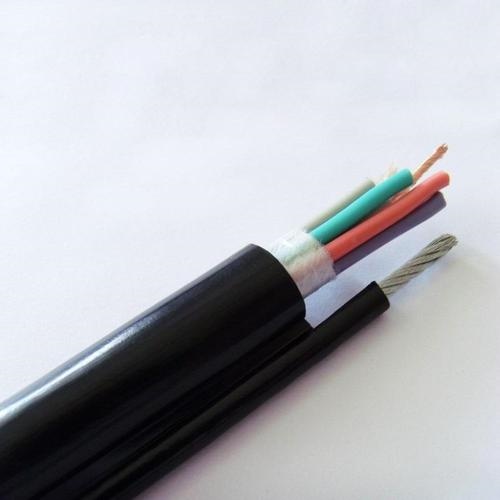
Electric Hoist Cable (Self-Supporting Steel Wire Rope Cable)
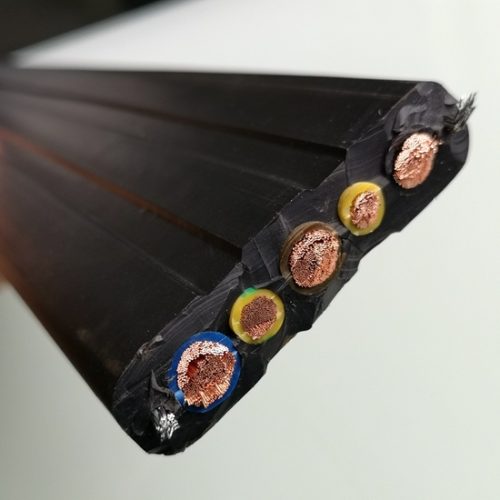
Designed as a combined power and control cable for overhead cranes and electric hoists, this self-supporting steel wire cable is built for reliable performance in both dry and damp indoor electrical installations. Thanks to its highly flexible construction, it is also suited for non-continuous, forced guided lateral movements under stress-free conditions — such as in festoon systems or on cable reels. Not for use in elevator/lift traveling applications.
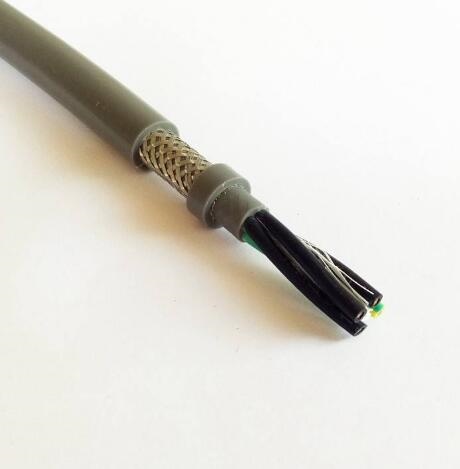
A jute filler is laid between the cores to provide load-bearing support, while a layer of non-woven fabric tape serves as a cushion between the cores and the outer sheath. For extra-long vertical runs, an optional dual steel wire rope design is available, delivering a breaking strength of up to 10.4 kN and enabling installation heights up to 150 meters. The special modified PVC jacket offers better tensile strength and tear resistance than ordinary rubber compounds, yet retains the flexibility essential for dynamic service.
Cable Construction
-
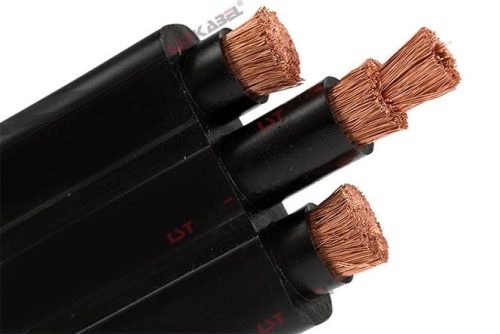
Conductor: Fine stranded oxygen-free copper, acc. to VDE 0295 Class 5 / IEC 60228 Class 5
-
Insulation: Special PVC compound
-
Color Code:
-
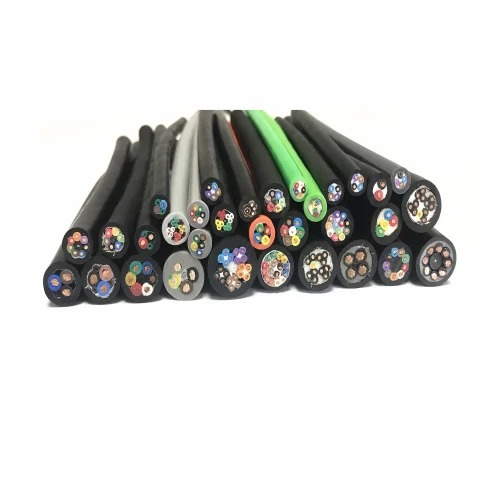
Multi-color cores with numbers printed, referring to JIS C 3306
-
Black cores with white numbers, in accordance with IEC 60227
-
(For cables requiring a green/yellow ground core, please specify when ordering)
-
-
Inner Wrap: Non-woven fabric tape for cushioning and mechanical buffering
-
Supporting Element: One or two non-twisting self-supporting steel wire ropes, integrated to absorb tensile loads during operation
-
Outer Sheath: Special modified PVC compound, black (RAL 9005)
Technical Parameters
| Parameter | Specification |
|---|---|
| Rated Voltage | ≤ 1.5 mm²: 300/500 V > 1.5 mm²: 450/750 V |
| Test Voltage | ≤ 1.5 mm²: 1500 V > 1.5 mm²: 3000 V |
| Temperature Range | -15 °C to +70 °C |
| Minimum Bending Radius | 20 × cable outer diameter |
Installation Note
During installation, first fix the upper end of the cable and allow it to hang freely for several days. This lets the internal stresses relax naturally. Only then should you secure the lower end. This procedure ensures long-term mechanical stability and reliable performance.
Optional High-Strength Design
If your application requires extreme lifting heights or higher tensile loads, choose the version with two integrated steel wire ropes:
-
Breaking strength: 10.4 kN
-
Maximum vertical height: 150 m
Why This Hoist Cable?
-
Flexible yet robust — engineered for repetitive lateral movement without stress cracking
-
High tear and abrasion resistance thanks to the modified PVC jacket
-
Self-supporting steel messenger removes the need for separate strain relief elements
-
Clear core identification meets international color coding standards
-
Available in standard and high-strength versions to match your exact hoist or crane system requirements
FAQ
1. What is the maximum lifting height with this cable?
When you choose the dual steel wire rope option, the integrated messenger achieves a breaking strength of 10.4 kN and can be used for vertical heights up to 150 meters. For standard single-wire designs, please consult our engineering team for specific load and height ratings.
2. Can this cable be used in elevator or lift systems?
No. This cable is engineered for non-continuous lateral movements, such as on hoists and festoon systems. It must not be used as a vertical traveling cable in elevators. For elevator traveling cables, please contact us — we offer dedicated designs for that application.
3. Is the steel wire already integrated into the cable?
Yes, the self-supporting steel wire ropes are integrated directly within the cable construction. They handle the tensile stress during operation, so you do not need separate strain relief wires or grips in most installations.
4. What conductor material is used, and what standard does it comply with?
The conductors are made from fine stranded oxygen-free copper and comply with VDE 0295 Class 5 (identical to IEC 60228 Class 5). This ensures high flexibility and excellent conductivity.
5. How can I identify the individual cores?
The cores are color-coded with printed numbers. Standard production follows JIS C 3306 or black cores with white numbers to IEC 60227. If you require a green/yellow grounding core, please mention it when requesting a quotation.
6. Is the cable suitable for outdoor installation?
The cable is designed primarily for dry or damp indoor environments. The special PVC jacket provides good mechanical durability, but for permanent outdoor exposure or UV-intense environments, we recommend discussing your specific conditions with our engineers to select the optimal sheath material.
7. What is the minimum bending radius?
The minimum bending radius is 20 times the cable outer diameter. Following this guideline during installation and operation helps prevent damage to the conductors and ensures full service life.
8. How should the cable be installed to avoid stress damage?
Fix the upper end and let the cable hang freely under its own weight for several days. This allows any residual stresses from manufacturing and coiling to dissipate. Only then should the lower end be secured. This simple step greatly improves operational reliability.
Looking for a custom length, specific core count, or a special sheath color? Contact our sales team today with your technical requirements — we’ll provide a detailed quotation and data sheet within one business day.