Detailed Description
What Is Silicone Rubber Insulated Cable?
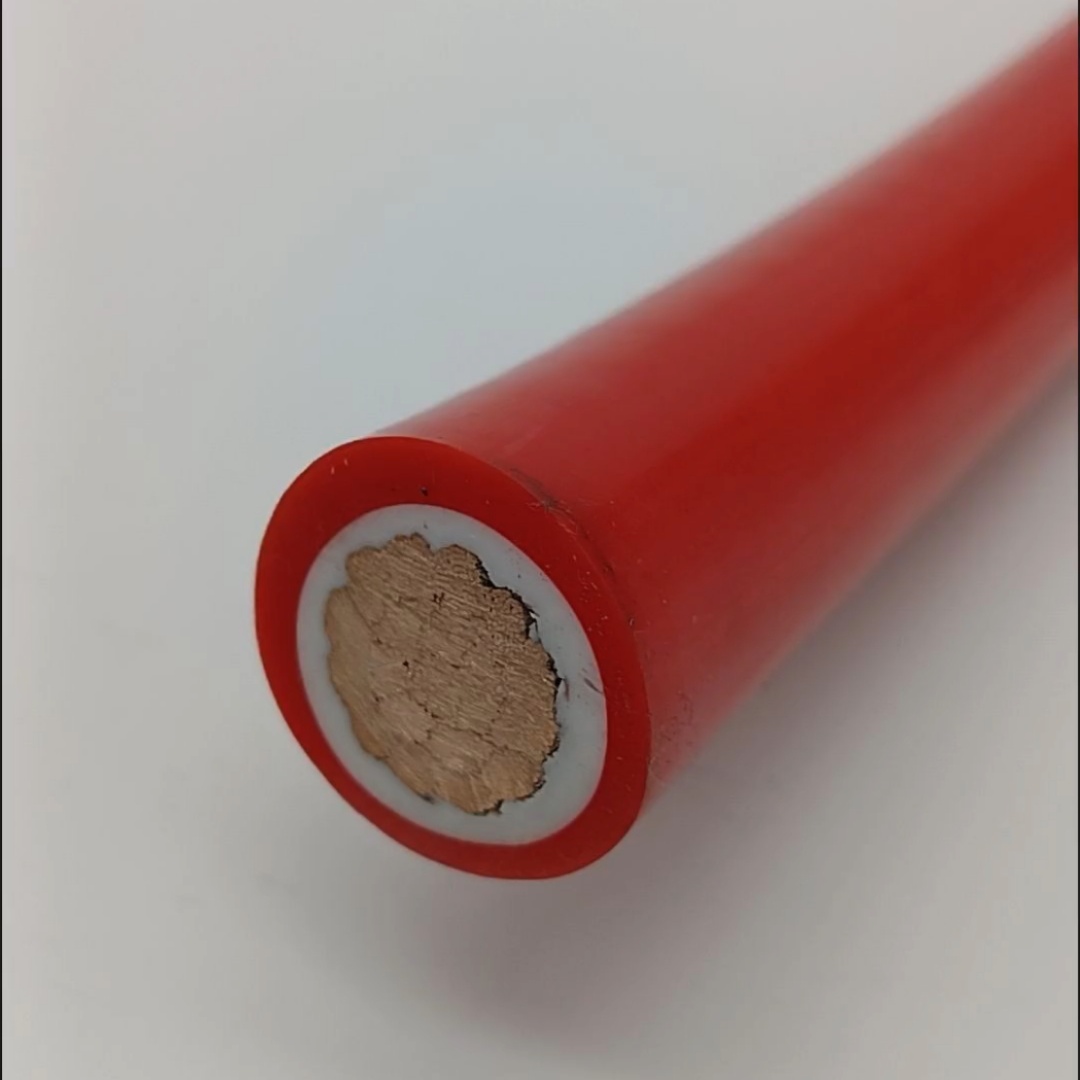
Silicone rubber insulated cable is a multi-core flexible cable in which both the core insulation and the outer sheath are made of silicone rubber — an inorganic polymer with a silicon-oxygen (Si-O) molecular backbone that provides thermal stability to 180°C+ continuous, far beyond the capability of any organic cable insulation. It is the standard cable for the hot zones of industrial plants: the cable that connects the ladle preheater to its power supply, the cable that enters the ceramic kiln through the hot-face penetration, the cable inside the sports field floodlight housing at 180°C.
The critical difference between silicone rubber insulation and organic insulations (PVC, XLPE, EPR) is thermal stability at the molecular level. Organic polymers have carbon-carbon (C-C) backbones that begin to break down (pyrolyze) at 200–300°C, losing mechanical strength and electrical insulation. Silicone's Si-O backbone is fundamentally more thermally stable — the Si-O bond energy (452 kJ/mol) is significantly higher than the C-C bond energy (348 kJ/mol) — giving silicone its continuous temperature rating of 180°C with excursions to 220°C+ without catastrophic failure.
Silicone vs Other High-Temperature Insulation Materials
Silicone is the most flexible, most cost-effective high-temperature cable insulation. But it is not the only option:
| Property | Silicone Rubber | PTFE/FEP | Mica/Glass Tape | MI Cable (Cu/MgO) |
|---|---|---|---|---|
| Max continuous temp | 180°C (200°C hi-temp) | 200°C (260°C short) | 250–450°C | 250°C (continuous) / 1 083°C fire |
| Flexibility | Excellent — softest HT insulation at all temperatures | Moderate — stiffer than silicone | Poor — semi-rigid | None — rigid |
| Dielectric strength | 15–20 kV/mm | 18–22 kV/mm | Depends on mica tape thickness | MgO is rated by IR, not kV/mm |
| Chemical resistance | Moderate — attacked by non-polar solvents; excellent water/ozone resistance | Excellent — inert to nearly all chemicals | Good | Excellent (metal sheath) |
| Cost | Reference | 1.5–3× | 3–5× | 3–10× |
| Best for | General industrial high-temp flexible cable | Thin-wall, chemical-exposed, aerospace | Highest temp flexible wire, heating element leads | Fireproof, radiation, extreme temperature |
For the majority of industrial high-temperature applications — steel mills, foundries, glass plants, commercial cooking equipment, industrial ovens — silicone rubber is the correct insulation material. It provides the best balance of temperature rating, flexibility, ease of termination, and cost.
Why Choose Yichi Silicone Rubber Insulated Cables
- IEC 60245 / VDE 0250-502 compliant silicone compound — 180°C continuous verified by type testing: The silicone insulation compound is peroxide-cured VMQ (methyl-vinyl silicone rubber), selected and qualified for the full IEC 60245 test schedule including thermal endurance per IEC 60216. The 180°C continuous rating is verified by Arrhenius-modeled accelerated ageing, not claimed from the material data sheet
- Tinned copper conductor as standard — correct for >150°C duty: Tinned copper is specified because bare copper oxidizes rapidly at the cable's operating ambient temperature, increasing conductor resistance and creating high-resistance terminal connections that lead to localized heating. The tinning is continuous and verified on every production batch
- All-silicone construction — insulation + sheath: Both layers are silicone rubber — no mixed-material interfaces that could delaminate due to differential thermal expansion at elevated temperature. The silicone-silicone interface is chemically compatible and the bond between the two layers is maintained at the rated continuous temperature
- Multi-core 2–12 configurations for high-temperature control and power: Single-cable solutions for equipment that requires multiple circuits in the hot zone — a 7-core silicone cable can carry power, control, and sensor signals through a single sealed cable penetration into an industrial oven, eliminating multiple separate penetrations
- Fibreglass braid option for mechanical and thermal protection: The braid protects the soft silicone sheath from abrasion against hot metal edges, prevents the cable from sticking to hot surfaces (a common problem with silicone — it has a high coefficient of friction against metal when hot), and the white braid colour reflects radiant heat, reducing the cable's surface temperature